If you’ve been living with pain that just won’t go away, you’re not alone. Persistent or chronic pain affects millions of people and can impact everything from sleep to daily activities. activities.
This month, we’re taking a closer look at what persistent pain really is, why it happens, and the treatment options that may help you regain comfort and control.
Persistent pain is extremely common in conditions such as back pain, neck pain, shoulder problems, and hip pain. Many people assume ongoing pain means damage is still present, but modern pain science shows that this is often not the case.
Pain can continue because the nervous system becomes more sensitive, even after tissues have healed. The encouraging news is that there are effective ways to help calm this sensitivity and restore confidence in movement.
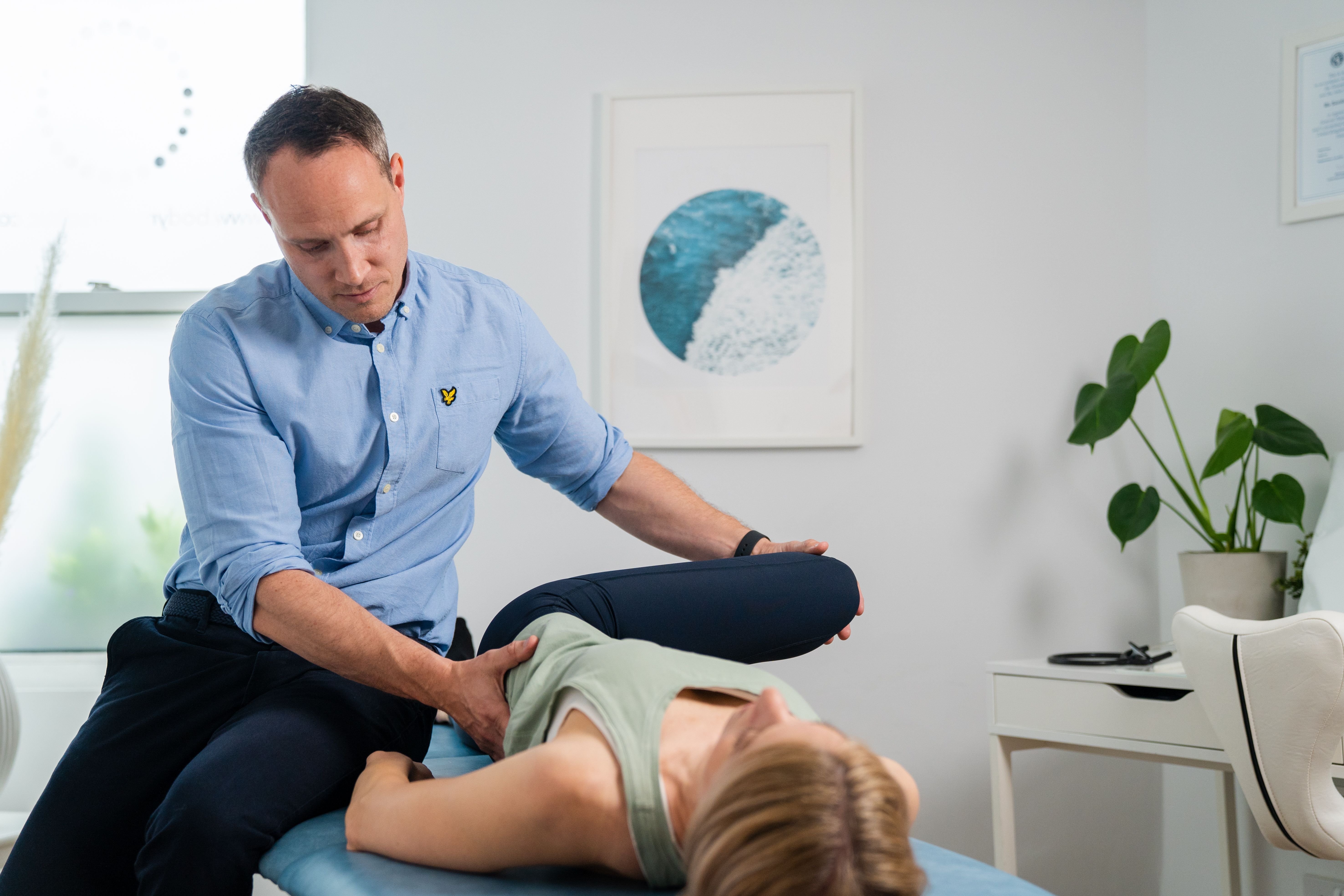
What Is Persistent Pain?
Persistent (or chronic) pain usually refers to pain lasting more than t3 months.
Common features people notice:
-
Pain that comes and goes
-
Flare-ups without obvious injury
-
Pain that moves or changes location
-
Stiffness, fatigue, or sensitivity
Importantly, persistent pain does not necessarily mean ongoing damage.
MYTH -
Pain always means damage.
REALITY -
Pain is influenced by many factors including sensitivity of the nervous system.
What Helps Persistent Pain?
Modern MSK care focuses on supporting recovery rather than “fixing” structures.
Evidence-based approaches include:
-
Movement and exercise therapy – gradually rebuilding strength and confidence
-
Manual therapy – hands-on treatment to reduce sensitivity and improve comfort
-
Education and reassurance – understanding pain reduces fear and flare-ups
-
Lifestyle factors – sleep, stress, and activity patterns
-
Multidisciplinary care when needed
Recovery is often about helping the body and nervous system settle again.

Treatments Available at BodyMatters Clinic
Persistent pain often responds best to a combination of approaches.
At the clinic we offer:
-
Osteopathy
-
Physiotherapy
-
Sports Massage
-
Acupuncture
-
Exercise-based rehabilitation
-
Movement and lifestyle guidance
The aim is to create a personalised plan that supports long-term improvement.

When Should You Seek Help?
Consider seeking advice if:
-
Pain has lasted more than 6–8 weeks
-
Pain is affecting sleep, work, or exercise
-
Symptoms keep flaring up
-
You feel unsure about what is safe to do
Early guidance can often prevent pain from becoming persistent.
START YOUR PAIN RELIEF JOURNEY


